The Poet Homer
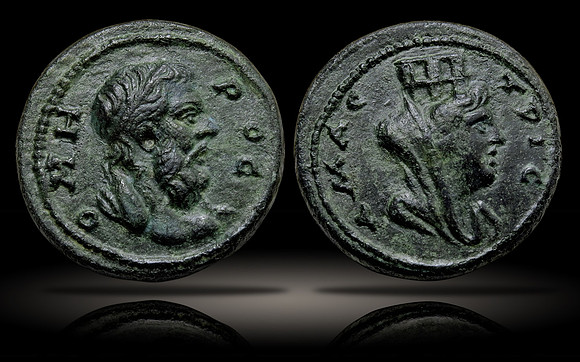
Despite being an incredibly prominent figure in both ancient and modern writing, portraits of Homer on coinage are exceptionally rare, with less than ten coins being available in the last 30 years across all metals, from both Greece and Rome.
The legendary author of The Iliad and The Odyssey, has long been venerated as the greatest poet of Antiquity, embodying the essence of Greek literary and cultural achievement. Homer’s works, central to the Greek canon, were seen not just as literary masterpieces but also as sources of moral and cultural identity. Due to his immense prestige, numerous cities across the Greek world claimed to be his birthplace, each seeking to elevate their own status by associating themselves with the illustrious bard. Among these contenders were prominent cities such as Chios, Kolophon, Kyme, and Smyrna, each presenting traditions or local legends to support their assertions.
While Amastris, a city situated on the southern shore of the Black Sea in modern-day Turkey, was not typically included among the major "Homeric cities," some accounts link it indirectly to the poet. Amastris was reputed to have been a colony of Smyrna, one of the strongest claimants to Homer’s origins. This connection, though tenuous, was sufficient to allow Amastris to stake a claim to the poet’s legacy, reflecting how the cultural and political prestige of Homer’s name resonated even in more peripheral regions of the Greek world.
The most tangible evidence of Amastris’ association with Homer comes from its coinage. The city's coins frequently depicted the poet on the obverse, showcasing a dignified image that echoed the iconography of Homer established in classical art. The reverse designs varied but often included symbols and motifs that highlighted Amastris’ identity and its aspirations to connect with the broader Hellenic cultural sphere. These coins served not only as currency but also as powerful statements of cultural alignment, showcasing Amastris' pride in its link—however indirect—to one of the most revered figures in Greek history.
This phenomenon illustrates how cities of the ancient Mediterranean used cultural symbols, such as Homer, to assert their significance within the Greek world. By claiming ties to the poet, Amastris not only elevated its prestige but also aligned itself with the rich literary and cultural heritage that Homer epitomized, emphasizing the far-reaching influence of his legacy.